



Manifestations of Liver Damage
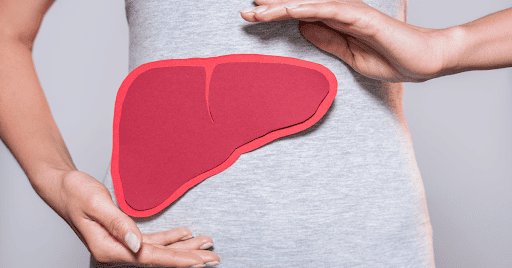
Liver is one of the most important organ of us, it plays an essential role in detoxification, metabolism and nutrition storing. Due to the continuous and constant liver malfunction, it will lead to severe disease. Therefore, knowing the symptoms of the liver damage ahead of time is super important, so that you can get to be cured as soon as possible. Here are some early symptoms that you ought to know about liver damage.
1.Fatigue and Weakness
Fatigue and reduced strength is a common sign of liver damage. The liverisalso involved inenergy metabolism, turning nutrients into glucose the body metabolizes for energy. Without a well-functioning liver, this cycle is disrupted and manifests as chronic fatigue.Also, aslower detoxified liver will fill up the blood with toxins that, in turn, can lead to fatigue.
2.Abdominal Pain and Swelling
Liver damage can feel likediscomfort or pain in the upper right quadrant of the abdomen (where the liver is located). Depending on the level of injury, this pain would be consistent and dull orsudden and sporadic. In more severe instances, such ascirrhosis, the liver may enlarge and the abdominal area may become distended. Liver damage can also cause fluid to build up in the abdomen, a condition called ascites, making the belly swell,often painfully.
3.Digestive Issues
Liver plays a vital role in digesting the fat, it will produce a kind of material which is called bile. When the production of bile decreases because of your liver damage, it will lead to the issues of digestion, such as nausea, vomiting and have no interests to eat and drink. Patients can also go through the hard times such as diarrhea or constipation, because the ability and capability of liver’s digestion in nutrients can be affected dramatically. Sometimes, an aversion to fatty foods will develop, because the body is not able to digest thesefoods well.
4.Skin Changes
Liver damage can present other skin-related symptoms along with jaundice. Itchy skin (pruritus) is a prevalent issue, generally caused by the accumulation of bile salts in the circulation when the liver fails. Increased levels of estrogen can induce skin changes, such as a spider angioma which is a small red blood vessel that can be found on the skin – often on the face, chest and or arms.These are caused by heightened levels of estrogen, which the liver typically helps control.
5.Bruising and Bleeding
We need protein to form a blood clot and proteins are produced in the liver. The liver produces these proteins; when damaged, it produces less of them, which increases its tendency to bruise or bleed easily. Patients may observe such symptoms as frequent nose bleeds, bleeding from the gums and prolonged bleeding from small cuts. In extreme cases it can cause bleeding inside the body, which can be fatal.
6.Cognitive Confusion (Hepatic Encephalopathy)
From damaging the liver, which in turn can cause toxins, particularly ammonia, that the liver normally filters out, to build up in the blood. Hepatic encephalopathy is a cognitive impairment caused when these toxins reach the brain. Symptoms can include anything from mild confusion and trouble concentrating to severe disorientation and memory loss, and sometimes coma. This is more common in advanced liver disease (e.g, cirrhosis).
In brief, there are a lot of manifestations when your liver is damaged, you need to find out these symptoms as soon as possible in order to get proper treatment . And if you have realized some of the symptoms mentioned above, you’d better go to see a doctor. As a matter of fact, the change of your living habits, the usage of right medicines and the necessary operations can cure your liver damage. If you keep healthy diets and do regular exercise, you can avoid liver damage of course.
 Disclaimer:
The content provided on our blog site traverses numerous categories, offering readers valuable and practical information. Readers can use the editorial team’s research and data to gain more insights into their topics of interest. However, they are requested not to treat the articles as conclusive. The website team cannot be held responsible for differences in data or inaccuracies found across other platforms. Please also note that the site might also miss out on various schemes and offers available that the readers may find more beneficial than the ones we cover.
Related Websites
-
 Health & Wellness
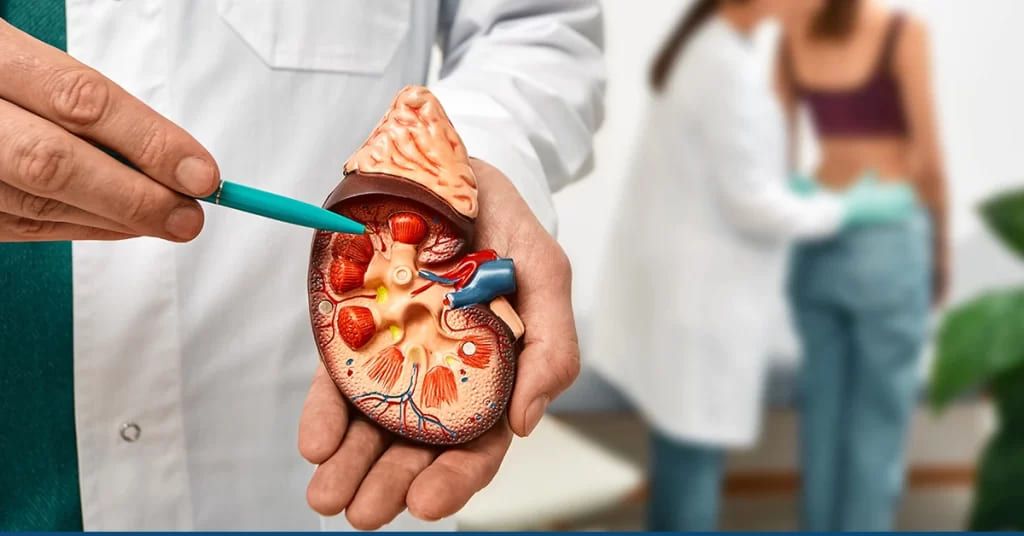
Reasons of the Appearance of the of Kidney Stones
Kidney stones (or renal calculi) are hard deposits of minerals and salts that develop in the kidneys. They can be stunningly painful, especially if they go downstream in the urinary tract. Causes of kidney stonesis associated with various factors such as the dietary habits, lack of water and medical preference to genetic reason.1.DehydrationInsufficient fluid intake is the most common cause of the formation of kidney stones. When the body is short on water, urine gets more concentrated, which lets pack minerals and salts together into crystals that form stones. Those at highest risk are people who live in hot climates and those who exert themselves physically without drinking enough water. Proper hydrationdilutes stone-forming constituents in the urine and dehydration is a common modifiable risk factor.2.Dietary FactorsKidney stones are largely developed due to diet. Consuming foods high in oxalates — including spinach, nuts and chocolate — can raise the risk of forming the most common type, calcium oxalate stones. Too much salt (sodium) in your diet is another, as it also causes calcium to leak into the urine, where it causes stone formation. An animal protein-rich diet —red meat, poultry and seafood — can elevate uric acid levels and diminish citrate, a compound that prevents stones. In contrast, a balanced diet with fruits, vegetables and whole grains can lower the risk.3.Medical ConditionsSome health conditionscan put you at risk for kidney stones. For instance, hyperparathyroidism — an excess level of hormone by the parathyroid glands — is associated with elevated calcium in the blood and urine, which in turn, can promote stone development. Other diseases including urinary tract infections (UTI), gout and inflammatory bowel disease (IBD) can also cause kidney stones. Metabolic disorders, such as cystinuria, which causes a large amount of cystine to be excreted in the urine, can also lead to rare stone types.4.Genetic PredispositionA major risk factor for kidney stones is family history. There is also an increased chance of developing stones if a close relative has had them. Some people may have a genetic predisposition to stone-formation as a result of abnormal handling of minerals and salts. Some inherited conditions, such as renal tubular acidosis or primary hyperoxaluria, can directly cause kidney stones.5.Obesity and Lifestyle FactorsYour metabolic disorders lead cause changes in hypotonic body fluids that change crystallization, so you have higher risk of kidney stones. Excess body weight is associated with increased uric acid and calcium in the urine, all of which are factors that can contribute to the formation of stones. Lifestyle-related factors such as a lack of physical activity and unhealthy eating patterns commonly aligned with obesity only deepen that issue. Following regular exercise and healthy food can lower that risk considerably.6.Medications and SupplementsSome medications and supplements can elevate your risk of kidney stones. For example, excessive calcium or vitamin D supplements can result in high urine calcium. Diuretics — drugs often prescribed to people with high blood pressure — can lead to dehydration, which raises risk for stone formation.Likewise, antacids that contain calcium can lead to the same problem in higher doses. Reduces risks by taking medication and other supplements in consultation with a doctor7.Urinary Tract AbnormalitiesStructural issues in the urinary tract, including narrow ureters or kidney cysts, can restrict the flow of urine and promote stone formation. Urine that stagnates makes it more likely for minerals and salts to crystallize and develop stones. Congenital conditions or prior surgeries that involve the urinary tract can also raise risk.In general, kidney stones are a common, often painful disorder caused by multiple factors. Being aware of what these causes are can empower you to take action and lower your risk. Drink enough fluids, eat properly, control disease conditions like diabetes, and lead a healthy lifestyle, all help to prevent kidney stones.If you have a family history or other risk factors, it's essential to consult a healthcare professional for personalized guidance. -
 Travel
Planning Your Dream Honeymoon: A Journey to Remember
The honeymoon is more than a vacation, it is the first page of a new book, a reward after months of wedding planning, a time to slip away, unwind and create memories that will stay with you forever. Planning a trip can be as daunting as it is exciting, and it's all too easy for your head to be spinning with all the details, however, there are a few things you should do to try and move from overwhelmed into joy, so it can be as amazing and unique as you envisage. -
 Automotive
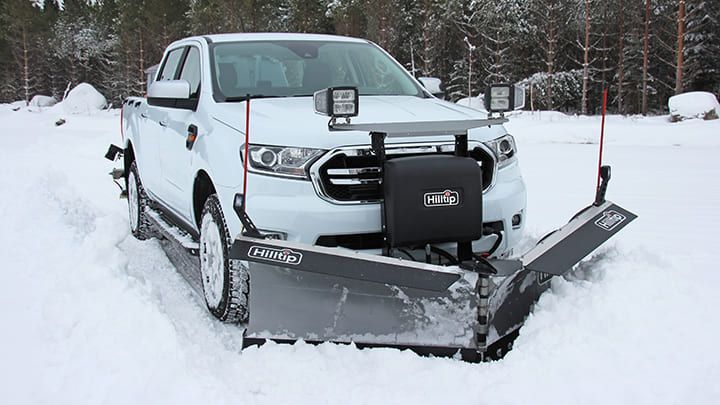
Things to Pay Attention to When Choosing a Truck Plow Attachment
Choosing the right plow truck attachment is an important decision that can have a major impact on workflow efficiency, overall safety and the life of both the plow truck and the equipment. Whether you are a professional snow removal contractor or a homeowner getting ready for the winter, it’s important to know what you are looking for so that you can get the most for your money and spend it in a way that actually helps you keep more money in the long run.
Featured Articles
-
 Health & Wellness
Essential Steps During a Depressive Episode
-
 Home & Garden
Tuf Paper Towels: Strength, Absorbency, and Reliability for Every Home
-
 Health & Wellness
Embracing Lifestyle Changes to Manage Hypertension
-
 Automotive
What You Should Know Before Buying a Truck Bed Cover
-
 Home & Garden
The Ultimate Microwave Oven Buying Guide
-
 Automotive
Things to Pay Attention to When Buying a Used Pickup Truck
-
 Health & Wellness
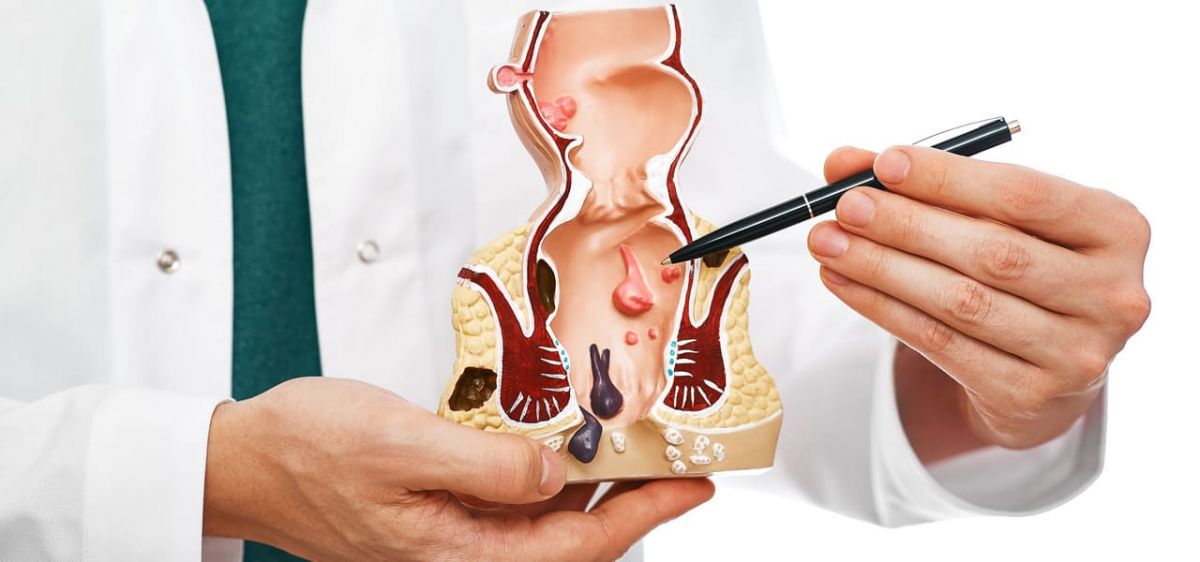
Treatment Options for External Hemorrhoids
-
 Automotive
Why Are Michelin Tires So Salable?