



Why Do I Fart So Much? Understanding Excessive Flatulence
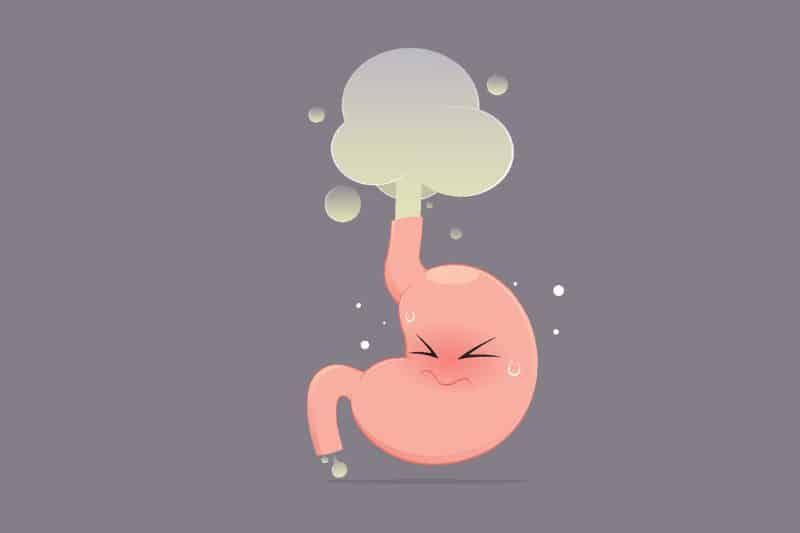
Farting (quiet honestly we cannot believewe are actually discussing this) or flatulence is a completely natural bodily process. In reality, the average person breaks wind anywhere from 13 to 21 times per day. But if you're farting more often than is really convenient for you, you might wonder what's causing it and whether it's a symptom of a larger problem. Gas can certainly beembarrassing and uncomfortable, but in almost all cases, it's not cause for serious medical concern. Many factors, from what you eat to the state of your digestive health, can contribute to increased gas production. Getting to the bottom of what's behind these “gassers”can help you keep it under control, or even prevent it.
1. What Causes Frequent Farting?
Diet is one of the most frequent causes of extreme flatulence. There are some foods that are known to create gas when they're broken down in the digestive system. Beans, lentils, broccoli, cabbage, onions and carbonated beverages all are notoriously guilty. These are food high in fiber or complex carbohydrates that the body cannot break down effectively. When the undigested fragments make it to the colon, bacteria in your gut ferment the material, generating gases such as hydrogen, carbon dioxide and methane, thereby boosting flatulence.
Lactose intolerance is another dietary factor. Too many people have too little of that enzyme, known as lactase, to digest dairy products. When lactose digests poorly, it ferments in the gut, leading to the formation of extra gas. If you experience bloating and gas after consuming milk, cheese or ice cream, then it might be lactose intolerance.
Drinking too much air, known as aerophagia, can also lead to persistent farting. This happens to you if you routinely eat too fast, chew gum frequently, apply carbonated drinks, or smoke. You can even swallow air while you're talking or eating, and that eventually needs to come up.
Digestive problems also lead to too much of passing gas. What we call IBS, SIBO, celiac, and gastroenteritis are all conditions in which normal digestion is interfered with, resulting in a higher amount of gas production.
2. How to Stop Farting So Much?
There are some dietary changes that you can make if your excessive flatulence is due to what you're eating. Writing down what you eat and then how much gas you develop is another way to help you determine which foods cause you gas. One way your digestive system might acclimate is if you slowly cut back on high-fiber or gas-producing foods and reintroduce them in smaller amounts. Lactose-free dairy or lactase pills punctured before consumption will help reduce the discomfort for those with lactose intolerance.
Chewing slowly and paying attention to what you eat can result in your swallowing less air, reducing gas. Eliminating carbonated beverages and gum-chewing can also be helpful. On top of all that, exercise stimulates digestion and moves gas through the intestines faster to reduce bloating and flatulence.
Consuming probiotics, which are in yogurt, kefir and supplements, may also help keep your gut microbiome in better balance between good and bad bacteria. This may also aid in digestion and eliminate excessive gas. Peppermint tea or even ginger decrease gas as well.
3. When Should You See a Doctor?
Some gas is normal, but if you have chronic or very smelly gas, even if it's with a constellation of other gut symptoms, an investigation with a healthcare provider might be in order. Chronic bloating, not to mention sharp, abdominal pain, blood in your stool or changes to your stool, could be a sign of a more serious digestive disorder. Medical causes of bloating conditions like Irritable Bowel Syndrome (IBS), Inflammatory Bowel Disease (IBD) or food intolerance will need a professional diagnosis and medical treatment.
In short, everyone gets gassy, it's a normal byproduct of digestion, and even if you're too mortified to discuss gas, it's good to know what the different culprits are so you can eventually find relief or at least be slightly more at ease. But if the symptom is persistent or gets worse, a visit to the doctor will likely verify that there's nothing else to worry about.
 Disclaimer:
The content provided on our blog site traverses numerous categories, offering readers valuable and practical information. Readers can use the editorial team’s research and data to gain more insights into their topics of interest. However, they are requested not to treat the articles as conclusive. The website team cannot be held responsible for differences in data or inaccuracies found across other platforms. Please also note that the site might also miss out on various schemes and offers available that the readers may find more beneficial than the ones we cover.
Related Websites
-
 Travel
Why Every Family Should Prioritize Time Away Together
Today, deadlines and school schedules collide with digital distractions to fill all the precious free time one might have to be with his or her family gathering is a luxury. But in spite of this, these calculated breaks from every-day life are not only an opportunity for relief; they're moments in which we can create memories of our own and strengthen bonds forever etched deeply inside each mind while stashing up solid stores so that orderliness with which things run becomes more stable over time. -
 Health & Wellness
Navigating the Path to Wellness: A Guide to Urinary Tract Infection Treatment
Urinary tract infection (UTI) is avery common and usually painful, condition due to the invasion of bacteria, mainly E.coli, in the lower or upper urinary system. The pain can be intense, but thegood news is that UTIs are very treatable.Good management is almost always multi-pronged, based on antibiotics and supplemented with self-care steps as well as sometimes other more dramatic medical interventions. It is essential to be aware of standard treatment plans in order to achieve a cure and prevent complications or reinfection. -
 Health & Wellness
Unsavory Details of Holding Your Urine: Why You Shouldn’t Ignore Nature’s Call
In our hustle culture, it’s far too easy to put off a visit to the bathroom. Whether out of a long meeting or a busy movie, or just from being too lazy to get up, many of us have no problem keeping our urine in. Ignoring the urge to pee may seem harmless on certain occasions, but consistently holding in your bodily fluids can lead to long-term health issues. From the risk of permanent bladder damageto other problems, the negative side effects of repeatedly holding it in are actually a lot more serious than you may think.
Featured Articles
-
 Travel
Benidorm All-Inclusive Holidays Paradise-like Beach Experiences
-
 Travel
Steps to Get Discounted Airfares for Seniors
-
 Home & Garden
Designing the Perfect Kitchen: A Guide to Optimal Layout and Functionality
-
 Finance
Securing Your Golden Years: A Guide to Top IRA Accounts for Retirement Savings
-
 Finance
Understanding the Core Components of a Reverse Mortgage Calculator
-
 Travel
What an American Citizen Should Know About Turkey Visa
-
 Home & Garden
Evolution and Essentials of RV Furniture: Comfort Meets Functionality on the Road
-
 Travel
Last-Minute Vacations at the Best Prices