



Patio Furniture to Invigorate Your Outdoor Activities

It can be understood that the transformation of your outside area into a bright, practical, and welcoming spot can improve the quality of outdoor activities you perform there.No matter for outdoor barbecue in summer, morning coffee or sunlight bath, patio furniture can meet all your desires and standards. From chairs to tables to hammocks, patio furniture is not just about the attraction for eyes, it can also offer you comfortable and durable outdoor activities.
1.Comfort Meets Style
Comfortable seating is the foundation for any great outdoor space. From cushy lounge chairs to comfy sectionals, patio furniture is made for supreme comfort all while matching your outdoor decor. Weather-resistant fabrics will create a more comfortable atmosphere on cushioned chairs and sofas. Throw pillows are a good way to add some color and warmth to your setup. For those who enjoy entertaining at home, modular seating arrangements are a great way to tailor your setup for entertaining groups, no matter how big or small.
2.Sturdy Dining Set
Dining outdoors is a classic to patio enjoyment. A strong dining set with a big table and chair helps to convert your backyard into the ideal location for family meals or get-togethers with buddies. Seek materials like teak, aluminum or polywood, which are durable and resistant to the elements. You may also include umbrellas or pergolas to shade the area so you can dine comfortably even on sunny days.
3.Lounge and Unwind
If you want to have a place to lie down, you can add a lying chair or hammock which are suitable for reading, sleeping or just enjoying the good fresh air outdoors. Pair them with a sidetable, where your drinks, books and snacks will go, to achieve seamless functionality and relaxation. If you have room, a daybedor swing chair can make your outdoor retreat feel luxurious.This kind of living style is so magical and can make a great difference in your life, thanks to the patio furniture you choose right according to this suggestion.
4.Fire Pits and Warmth
Firepits or outdoor heaters can extend the use of your patio into the cooler evening hours. Later, circle your fire pit with comfy seating for roasting marshmallows or trading stories under the stars. Fire pits come in all kinds of styles, everything from a rough-hewn stone design to a polished metal option so you can find one that suits your aesthetic.
5.Durability and Maintenance
When choosing patio furniture, research your climate and how much maintenance you’re willing to do. Wrought iron and aluminum are rust proof, making them suitable for humid or coastal environments; teak and cedar provide a natural aesthetic and resilience with little maintenance. If you want a low-maintenance alternative, synthetic options such as polywood are environmentally friendly and durable.
6.Personalize Your Oasis
Your patio should be an extension of your personality and lifestyle. From a minimalist modern aesthetic to a bohemian, eclectic vibe, there’s patio furniture for every style palate. Pick and choose pieces to form a space that feels like an extension of your indoor living space. Add things like water features, outdoor art and a bar cart to make your patio feel even more inviting.”
Together with the right patio furniture, you can design an outdoor sanctuary that motivates you to head outside, entertain and get close to nature. With a little thought to comfort, style and functionality, you can design a patio that serves your needs and makes you want to spend more time outside. From hosting a raucous gathering or simply finding some quiet moments alone, the right type of patio furniture will give you the inspiration to enliven outdoor activities and make every moment count, not just during the summer months.
 Disclaimer:
The content provided on our blog site traverses numerous categories, offering readers valuable and practical information. Readers can use the editorial team’s research and data to gain more insights into their topics of interest. However, they are requested not to treat the articles as conclusive. The website team cannot be held responsible for differences in data or inaccuracies found across other platforms. Please also note that the site might also miss out on various schemes and offers available that the readers may find more beneficial than the ones we cover.
Related Websites
-
 Health & Wellness
Manifestations of Liver Damage
Liver is one of the most important organ of us, it plays an essential role in detoxification, metabolism and nutrition storing. Due to the continuous and constant liver malfunction, it will lead to severe disease. Therefore, knowing the symptoms of the liver damage ahead of time is super important, so that you can get to be cured as soon as possible. Here are some early symptoms that you ought to know about liver damage.1.Fatigue and WeaknessFatigue and reduced strength is a common sign of liver damage. The liverisalso involved inenergy metabolism, turning nutrients into glucose the body metabolizes for energy. Without a well-functioning liver, this cycle is disrupted and manifests as chronic fatigue.Also, aslower detoxified liver will fill up the blood with toxins that, in turn, can lead to fatigue.2.Abdominal Pain and SwellingLiver damage can feel likediscomfort or pain in the upper right quadrant of the abdomen (where the liver is located). Depending on the level of injury, this pain would be consistent and dull orsudden and sporadic. In more severe instances, such ascirrhosis, the liver may enlarge and the abdominal area may become distended. Liver damage can also cause fluid to build up in the abdomen, a condition called ascites, making the belly swell,often painfully.3.Digestive IssuesLiver plays a vital role in digesting the fat, it will produce a kind of material which is called bile. When the production of bile decreases because of your liver damage, it will lead to the issues of digestion, such as nausea, vomiting and have no interests to eat and drink. Patients can also go through the hard times such as diarrhea or constipation, because the ability and capability of liver’s digestion in nutrients can be affected dramatically. Sometimes, an aversion to fatty foods will develop, because the body is not able to digest thesefoods well.4.Skin ChangesLiver damage can present other skin-related symptoms along with jaundice. Itchy skin (pruritus) is a prevalent issue, generally caused by the accumulation of bile salts in the circulation when the liver fails. Increased levels of estrogen can induce skin changes, such as a spider angioma which is a small red blood vessel that can be found on the skin – often on the face, chest and or arms.These are caused by heightened levels of estrogen, which the liver typically helps control.5.Bruising and BleedingWe need protein to form a blood clot and proteins are produced in the liver. The liver produces these proteins; when damaged, it produces less of them, which increases its tendency to bruise or bleed easily. Patients may observe such symptoms as frequent nose bleeds, bleeding from the gums and prolonged bleeding from small cuts. In extreme cases it can cause bleeding inside the body, which can be fatal.6.Cognitive Confusion (Hepatic Encephalopathy)From damaging the liver, which in turn can cause toxins, particularly ammonia, that the liver normally filters out, to build up in the blood. Hepatic encephalopathy is a cognitive impairment caused when these toxins reach the brain. Symptoms can include anything from mild confusion and trouble concentrating to severe disorientation and memory loss, and sometimes coma. This is more common in advanced liver disease (e.g, cirrhosis).In brief, there are a lot of manifestations when your liver is damaged, you need to find out these symptoms as soon as possible in order to get proper treatment . And if you have realized some of the symptoms mentioned above, you’d better go to see a doctor. As a matter of fact, the change of your living habits, the usage of right medicines and the necessary operations can cure your liver damage. If you keep healthy diets and do regular exercise, you can avoid liver damage of course. -
 Health & Wellness
Preventing Kidney Stones: Effective Strategies for a Healthier Life
Kidney stones are a common painful condition that can be experienced by anyone. These solid deposits of minerals and salts can form in the kidneys, causing agonizing pain as they move through the urinary tract. While some people are genetically more prediscovered to grow kidney stones, there are several things that we can do to help prevent these from forming in the first place. Making some lifestyle changes and simply being cautious of dietary practices can greatly reduce your chances of developing this painful condition.1.Stay Well-hydratedThe best way to try to prevent kidney stones is to keep hydrated. Staying well hydrated by drinking adequate water during the day helps to dilute materials that create stones in the urine.Minerals and salts are less likely to crystalize and form stones when urine is dilute. Their reason behind this is that the normal, reliable advice says that you ought to be drinking 8–10 glasses, or 2–3 liters, of water a day, but whose to say what this refers to when there are so many factors in your environment, level of activity, health conditions, etc. That will determine how hydrated you need to be. Those with a history of kidney stones are often advised to drink enough water to produce around 2.5 liters of urine per day. Water remains the best, but other fluids (like herbal teas and citrus-based drinks) can help with hydration, and possible prevention, in some cases, because citrate (found in citrus-based drinks) can help reduce formation of stones.2.Balanced DietDiet is also an important part of preventing kidney stones. A diet that is low in salt and animal protein may help prevent stone formation. Excessive sodium intake can raise the amount of calcium in the urine, a major component of many kidney stones. So it’s important to limit processed foods, canned soups and salty snacks. Moreover, decreased animal proteins (e.g red meat, poultry/eggs) consumption will help to decrease the urinary levels of uric acid(another contributor to stone formation). We can certainly reduce our intake of animal proteins, and replace with more plant-based proteins, like beans, lentils, and tofu.3.Get Enough CalciumCalcium is also misunderstood with regard to kidney stones. Although calcium is a component of many stones, avoiding calcium is not the answer. In fact, consuming adequate calcium through fooddairy products or fortified plant-based options — can help prevent stones. That’s because calcium attaches to oxalate in the intestines, where it prevents oxalate from entering the bloodstream and being filtered out through the urine, where it can lead to stone formation. But speaking of extra calcium, it is also one of the minerals which shouldn't be taken in excess as it increases stone risk.4.Take in Oxalate-rich FoodsAnother food-related factor is the consumption of foods high in oxalate.Foods that are high in oxalate contain a compound that can combine with calcium in the urine to make calcium oxalate stones — the most common type of kidney stones. Spinach, rhubarb, beets, nuts and chocolate are all high oxalate. That doesn’t mean you have to completely ban these foods, but moderation, as well as balancing these foods with calcium-rich foods, may help in stone formation.So in summary, the avoidance of food that would cause kidney stones, drinking lots of fluid and maintaining a healthy life style solves the puzzle of staying away from kidney stones. Well, here you can really reduce your risk of this painful condition as long as you drink enough water, reduce salt and animal proteins, take enough calcium, control oxalate-rich foods and weight. Though none of these approaches guarantee immunity from kidney disease, they help support these important organs while improving your quality of life. So if you’re prone to kidney stones (or at higher risk), always check with your doctor directly for more tailored advice. -
 Automotive
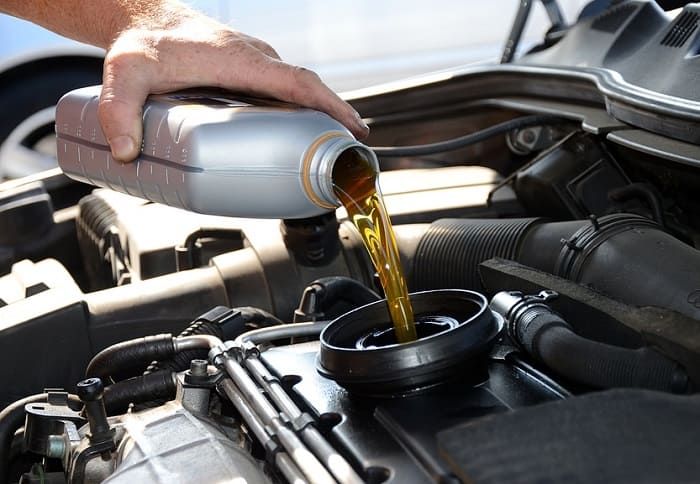
Why We Need to Change Oil for Our Cars
Oil changes is averycommon andimportant part of vehicle maintenance. It probably seems like a no-brainer, and one of those things you can do yourself, but changing the oil in your motorcar iscrucial topreserving its life, performance and efficiency. Although essential, so many individuals overlook this standard process, but be careful as ignoring it has serious effects on your car.Here’s why you need to change your car’s oil.1.ComponentLubricationEngineoil is mainly used to lubricate the engine mounted moving parts.When your car’s engine is running, thousands of metal componentsare whirring at high speeds. Without proper lubrication, those parts would grind against each other, generating friction andheat.And, over time, this friction can create quite a bit of wearthatdecreases the engine’sefficiency, and may lead toirrevocabledamage. Well-lubricated parts are also vital to keeping everything in the engine harmonizing; lubricants minimize the friction between these surfaces and prolong the life ofthe engine.2.Heat RegulationWhile running, enginesmake a lot of heat. The oil helps soak up and disperse this heat, so the engine won't run hot. Over time, though, the oil breaks down and the temperature regulation becomes ineffective. Dirty, degraded oil can contributeto higher engine temperature, which could eventually lead to overheatingor even engine failure. Keeping up with routineoil changes ensures that theoil remains effective at performing its cooling role, keeping theengine temperature where it should be.3.Removal of ContaminantsOil grabs dirt, debris, andother contaminates as it flows through the engine. Combustion byproducts, dust or metal particles dueto engine wear can contribute to these impurities. These contaminants build up in the oil over time, transforming it into a thick, sludgy gunk. “Dirty Oil”can't appropriately lubricate theengine anymore, and those contaminants cause the engine parts to abradeand get damaged. By changing the oil, these harmful particles are removed, keeping theengine clean and protected.4.Improved Fuel EfficiencyClean oil when the oil is dirty because it generates friction and the engine does not work efficiently. A well-running engine takes less power to run, meaning improved fuel economy. Conversely, dirty oil, namely old oil, causes friction, which makes its respective engine work harder, in turn burning more gas. Regular oil changes will keep your oil clean for optimal fuel efficiency, saving you money in the parking lot.5.Prevention of Engine SludgeEngine sludge is a thick, sticky substance that builds up when oil breaks down and combines with other materials. Sludgecan block oil passages, preventing properlubrication and internalengine damage. Sludge buildup, in extreme cases, could leadto total engine failure. By replacing old,dirty oil before it turns into sludge, regular oil changes help prevent sludge from forming in the engine.6.Extended Engine LifeA good engine can go forhundreds of thousands of miles, but not if you never change the oil. Routine oil changes mitigate the wear and tear on engine components, prevent overheating and facilitatea clean engine. Regularmaintenance in this case will spare you expensive repair services or overall engine replacement in the future.7.Cost SavingsSome view an oil change as an unnecessary cost, however, in fact, changing it periodically is a practical and effectiveway of maintaining your vehicle. An oil change is a small price when compared to the costs of a blown engine dueto negligence. Regular oil changes mean less wear and tear on your car and lesschance of expensive repairs down the road.In short, it isa simplebut significant maintenance task that has agreat impact on the performance and longevity of your car.And ensuring the motor runs smoothly and efficiently, fresh oil lubricatesengine elements and controls heat and expels contaminants.Regularoil change intervals will prolong the life of your car, improve its fuel mileage, and keep you from having to spend more money on repairs. So the next time your car is due for an oil change, don’t put it off — your engine will be grateful.
Featured Articles
-
 Health & Wellness
What to Do About Tinnitus: A Comprehensive Guide to Managing the Ringing
-
 Finance
Is Buying a Home Still a Smart Investment?
-
 Automotive
Cadillac XT5: Redefining Modern American Luxury in the SUV Segment
-
 Home & Garden
Common Cognitive Misconceptions About Microwaves
-
 Home & Garden
Memory Foam Mattresses Bring You Lots of Benefits
-
 Travel
International Budget Travel Tips: Exploring the World Without Breaking the Bank
-
 Travel
Comprehensive Plans for Your Dream Vacation to Disneyland California
-
 Health & Wellness
Understanding Spinal Muscular Atrophy: Recognizing the Key Symptoms