



The Hidden Storm Within: Unraveling the Causes of Asthma
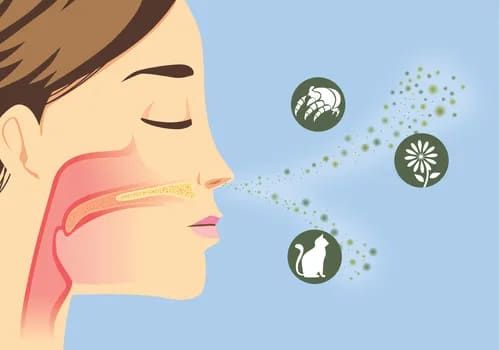
Asthma, an incurable respiratory disorder involving wheezing, breathlessness, and chest tightness, currently afflicts millions worldwide. It is not one disease, but a collective complex disorder with no single cause; it occurs as a balance between genetic predisposition and environmental effects. To figure out how asthma arises, you have to look at the body’s overprotective defenses and what wakes them up.
The Hyper-Reactive Airways: Central Processes
Fundamentally, asthma is a state of chronic inflammation and hyper-reactivity of the bronchial tubes. In those with asthma, these airways remain constantly sensitive and inflamed. The lining of the airways becomes even more inflamed, and the muscles around those tubes contract (bronchoconstriction), while produce more mucus when exposed to specific triggers. This trio of responses narrowing the airways, making it difficult to breathe. This extreme-overreaction is thought to originate in an immune overdrive, which accidentally identifies benign substances as enemies and initiates a firework of inflammation.
Genetic Blueprint: The Inherited Susceptibility
Asthma tends to occur in families, suggesting there is a major genetic component. People inherit genes that predispose their immune systems to allergic (atopic) responses and their airways to hypersensitivity. Key genes affected are usually immune-related, for instance genes regulating synthesis of antibodies such as Immunoglobulin E (IgE), central to allergic responses. But no “asthma gene” can be pinned down; instead, a variety of genetic variants have been shown to enhance a person’s risk. This genetic backdrop is the foundation upon which everything occurs, but environmental factors typically serve as a trigger
Environmental Provocateurs: Striking the Inflammatory Match
A genetic susceptibility, by itself, is seldom sufficient. Environmental exposures, especially in early life, play a crucial role to determine the asthmatic development. Major triggers include:
1. Allergens: Common allergens such as house dust mites, pollen, animal dander, mold spores, and cockroach droppings can cause the immune system to overreact in a sensitive person.
2. Viral Infection: Serious respiratory infections at a young age like RSV (Respiratory Syncytial Virus) can injure growing airways & hold the immune system for asthma.
3. Air Pollution and Irritants: Tobacco smoke (firsthand and secondhand), exhaust from vehicles, industrial fumes, strong chemicals inside of homes can all irritate airways and make the inflammation worse.
4. Work Exposures: Some work environments, where there is dusts, gases or chemical vapors, can result in occupational asthma.
The Paradoxical Modern Hygiene Hypothesis
There is an interesting reason that has been postulated for why asthma rates have risen in the developed world, entitled the "Hygiene Hypothesis." It points to overclean environments for children in early childhood that reduced their microbial exposure. This can compromise proper immune system development and tip the balance toward an overreaction to allergens. Less exposure to good bacteria and parasites may be biasing the immune system toward the allergic, inflammatory responses found in asthma.
Additional Influential Factors
Other risk factors for and aspects of asthma severity. More inflammation and mechanical stress on the lungs could be caused by obesity. Changes in hormones, such as during puberty and pregnancy or when going into, through or out of menopause, also may affect the way someone's asthma reacts to certain triggers. Strong emotions and physical exertion (exercise-induced bronchoconstriction) can also be triggers in previously sensitized airways, although the long-term exercise is beneficial for control.
Conclusion
So asthma is a perfect storm of circumstances. As this genetically susceptible person encounters certain environmental co-factors at a critical point in time, airway inflammation and hyperreactivity become permanent. Although not yet curable, recognition of these complex underlying causes permits better prevention (such as avoidance of smoking in pregnancy and reductions in allergen exposure) and more effective, individualized treatments, which are focused on controlling the inflammation itself (rather than just the cough/bronchoconstriction alone) and avoiding known triggers, thus allowing people with asthma to lead active lives.
 Disclaimer:
The content provided on our blog site traverses numerous categories, offering readers valuable and practical information. Readers can use the editorial team’s research and data to gain more insights into their topics of interest. However, they are requested not to treat the articles as conclusive. The website team cannot be held responsible for differences in data or inaccuracies found across other platforms. Please also note that the site might also miss out on various schemes and offers available that the readers may find more beneficial than the ones we cover.
Related Websites
-
 Automotive
Why We Need to Change Oil for Our Cars
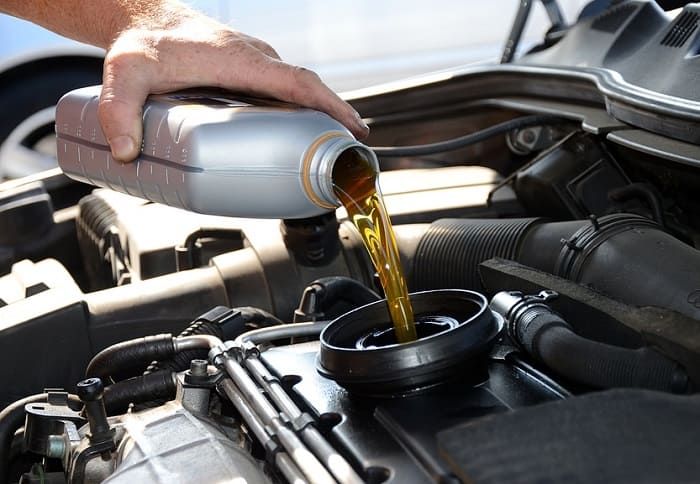
Oil changes is averycommon andimportant part of vehicle maintenance. It probably seems like a no-brainer, and one of those things you can do yourself, but changing the oil in your motorcar iscrucial topreserving its life, performance and efficiency. Although essential, so many individuals overlook this standard process, but be careful as ignoring it has serious effects on your car.Here’s why you need to change your car’s oil.1.ComponentLubricationEngineoil is mainly used to lubricate the engine mounted moving parts.When your car’s engine is running, thousands of metal componentsare whirring at high speeds. Without proper lubrication, those parts would grind against each other, generating friction andheat.And, over time, this friction can create quite a bit of wearthatdecreases the engine’sefficiency, and may lead toirrevocabledamage. Well-lubricated parts are also vital to keeping everything in the engine harmonizing; lubricants minimize the friction between these surfaces and prolong the life ofthe engine.2.Heat RegulationWhile running, enginesmake a lot of heat. The oil helps soak up and disperse this heat, so the engine won't run hot. Over time, though, the oil breaks down and the temperature regulation becomes ineffective. Dirty, degraded oil can contributeto higher engine temperature, which could eventually lead to overheatingor even engine failure. Keeping up with routineoil changes ensures that theoil remains effective at performing its cooling role, keeping theengine temperature where it should be.3.Removal of ContaminantsOil grabs dirt, debris, andother contaminates as it flows through the engine. Combustion byproducts, dust or metal particles dueto engine wear can contribute to these impurities. These contaminants build up in the oil over time, transforming it into a thick, sludgy gunk. “Dirty Oil”can't appropriately lubricate theengine anymore, and those contaminants cause the engine parts to abradeand get damaged. By changing the oil, these harmful particles are removed, keeping theengine clean and protected.4.Improved Fuel EfficiencyClean oil when the oil is dirty because it generates friction and the engine does not work efficiently. A well-running engine takes less power to run, meaning improved fuel economy. Conversely, dirty oil, namely old oil, causes friction, which makes its respective engine work harder, in turn burning more gas. Regular oil changes will keep your oil clean for optimal fuel efficiency, saving you money in the parking lot.5.Prevention of Engine SludgeEngine sludge is a thick, sticky substance that builds up when oil breaks down and combines with other materials. Sludgecan block oil passages, preventing properlubrication and internalengine damage. Sludge buildup, in extreme cases, could leadto total engine failure. By replacing old,dirty oil before it turns into sludge, regular oil changes help prevent sludge from forming in the engine.6.Extended Engine LifeA good engine can go forhundreds of thousands of miles, but not if you never change the oil. Routine oil changes mitigate the wear and tear on engine components, prevent overheating and facilitatea clean engine. Regularmaintenance in this case will spare you expensive repair services or overall engine replacement in the future.7.Cost SavingsSome view an oil change as an unnecessary cost, however, in fact, changing it periodically is a practical and effectiveway of maintaining your vehicle. An oil change is a small price when compared to the costs of a blown engine dueto negligence. Regular oil changes mean less wear and tear on your car and lesschance of expensive repairs down the road.In short, it isa simplebut significant maintenance task that has agreat impact on the performance and longevity of your car.And ensuring the motor runs smoothly and efficiently, fresh oil lubricatesengine elements and controls heat and expels contaminants.Regularoil change intervals will prolong the life of your car, improve its fuel mileage, and keep you from having to spend more money on repairs. So the next time your car is due for an oil change, don’t put it off — your engine will be grateful. -
 Travel
Driving Around Texas: Preparations and Suggestions
We get so used to decorating our homes, that we rarely care to decorate our vehicles — and this makes sense — the decorations in our homes will be more quite in the ours or friends life for a longer time — as opposed to the decorations in our homes would be quite shorter. However, here are a few important things to consider before you hit the road in this state full of variety to ensure your trip will be as enjoyable and safe as possible. Here is a guideto seeing Texas by car.1.GetYour Vehicle ReadyCheck vehicle maintenance before hitting the road. The roads in Texas run long and winding and the weather can change from hot summer to icy winter in some areas. Make sure your tire pressure, tread depth, and oil levels are where they need to be. And, of course, make sure your car's cooling system is working properly; temps can reach searing levelsin the summer. It's also smart to have an emergency kit with a spare tire, jumper cables, flashlight, first-aid supplies and water.2.Follow TexasDriving LawsFamiliarize yourself withdriving laws in Texas. You're required to put the phone down because the state has a hands-free law — it's illegal to drive with a handheld device. The speed limit on many of the interstates is 70-75, but always check the posted signs, as limits will often vary. Stay alert in school zones, where limits are reduced at certain times of the day. Texas also has a move over law that requires drivers to change lanes or slow down when they approach emergency vehicles, tow trucks, or road maintenance workers.3.NavigateTexas HighwaysInterstates 10, 20, 30, 35 and 40 run crosswise throughout the expanded state of Texas, with myriad highways in between. Other major highways include US Routes 69, 75, 83, 87 and 90, which all connect the cities.Check which route to use through trustworthy GPS or map services but have a paper map as backup. Toll roads, such as the tollway system operated by the Texas Tollway Authority, will require electronic toll tags or pay upon exit. -
 Health & Wellness
Recognizing the Signs: A Comprehensive Guide to Urinary Tract Infection Symptoms
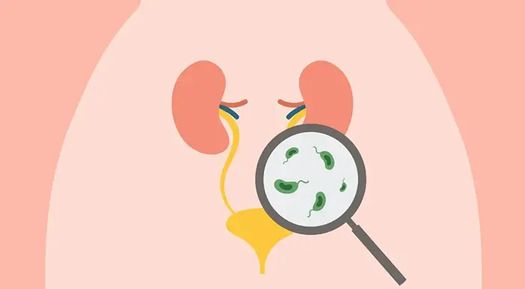
UTI is a general health problem which involves with the bacterial growth in any part of dividing line of the kidney, ureters, bladderor urethra, but is most frequently affective by Escherichia coli. Though UTIs are generally simple to treat with antibiotics, the sooner you notice aUTI is better — treating it promptly can help ensure that it doesn’t morph from a bladder infection into things like kidney infections or other more serious health complications. Symptoms may bedifferent depending on the part of the urinary tract that is infected, as infections in lower (urethra and bladder) or upper (i.e. kidneys) tracts have traditionally been classified.
Featured Articles
-
 Automotive
Why Choose SpeeDee Oil for Your Vehicle?
-
 Health & Wellness
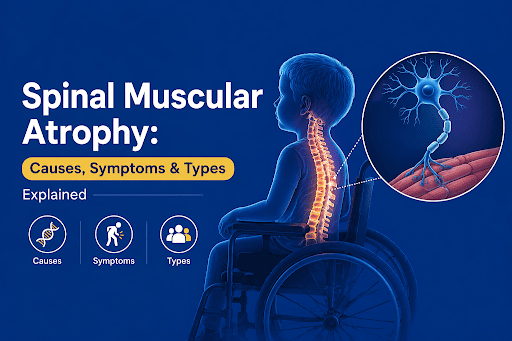
Understanding Spinal Muscular Atrophy: Recognizing the Key Symptoms
-
 Automotive
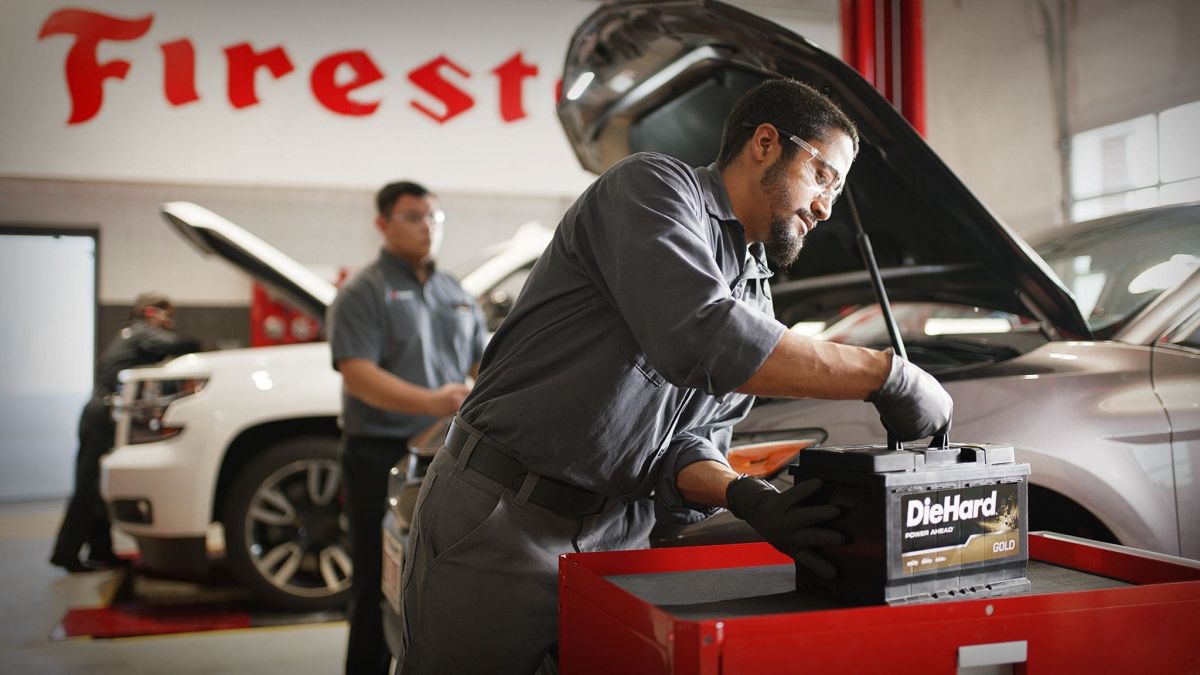
Why We Turn to Firestone for Auto Care
-
 Automotive
The Modern Pickup: A Buyer's Guide to Finding Your Perfect Match
-
 Finance
Choosing the Best Financial Adviser: A Guide to Securing Your Financial Future
-
 Home & Garden
Essential Kitchen Appliances for the Modern Home
-
 Travel
Bus Travel Tips: How to Have a Smooth and Enjoyable Journey
-
 Travel
A Guide to Popular Hawaii Vacation Package Deals