



Common Cognitive Misconceptions About Microwaves
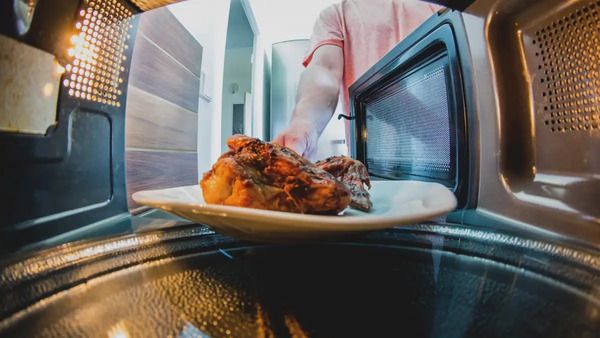
Microwave is a magic little oven that is used to cook all kinds of dishes in no time. Yet, despite their frequent use, myths tend to circulate about microwaves, most of which revolve around their alleged dangers for health (bad for the eyes), nutrient-sealing qualities and what form of RF radiation they give off. This article seeks to dispel some of these popular cognitive myths.
Health Hazards Misconception
One of the most common misconceptions about microwaves is that they are dangerous for your health, and can even give you cancer. This fear is mostly due to a misunderstanding of the nature of radiation that microwaves makes use of. Microwave ovens work by emitting non-ionizing radiation, which doesn't have enough energy to ionize atoms or molecules and permanently damage our DNA or cells the way higher-energy (ionizing) radiation does — think X-rays, gamma rays and ultraviolet light.
Dielectric heating, in which food is heated through the agitation of water molecules, is one of the major ways that microwaves heat food. Safety standards set by the World Health Organization (WHO) and other organizations require that microwave not give off enough radiation to cause any lasting damage as long as it's used correctly. Therefore, the idea that microwaves by themselves can lead to cancer or other similar severe health problems is not backed up by any evidence.
Nutrient Loss Misconception
It is another frequently cited misconception that microwaving food results in more nutrient loss than other forms of cooking. Although cooking methods can cause degradation of some nutrients (e.g. heat, water and exposure to oxygen), the nutrients in foods cooked by microwave oven tend to "resemble" more closely to raw food than do foods cooked through conventional heating.
That’s because microwaving usually involves less time and water, both factors that contribute to nutrient loss. For example, research has suggested that microwaving vegetables can preserve more of their vitamin C and other heat-sensitive nutrients compared with boiled. The secret to preserving nutrients is cooking longer and at higher power settings, as too much heating will degrade them no matter which method is employed.
Radio Frequency Radiation Misconception
There is also ambiguity whether radiation of microwaves (radiowave frequency, RF) poses a health hazard, and if so, how. RF radiation is another term for radio waves. It is one type of electromagnetic radiation, which includes radio waves, microwaves, visible light, and x-rays. The misconception is quite typical due to RF being linked with other, more harmful forms of radiations. But as we said, microwaves emit non-ionizing radiation— low energy light on the electromagnetic scale.
The microwave radiation created within a microwave oven is confined in the unit by the design of its construction, which include at least two layers of insulation around it to prevent leaks. Regulatory agencies have imposed tight limits to the amount of RF radiation that a microwave oven can leak; these are usually much below levels known to harm people. It's a state of "normal use not enough focused radiation gathered in the body at one time to cause a thermal (heat) injury."
So, in conclusion, there’s a lot of fear and unnecessary concern associated with microwaves that stem from lack of knowledge about how they can work and what type of radiation they emit. Microwaves are structurally safe appliances and with proper use do not pose any substantial health risk. They can also be a great way to retain nutrients in foods by cooking them fast with as little water as possible. Knowing some of the science about microwaves can help individuals to debunk these myths, permitting them to feel comfortable using this very convenient appliance. Like any other kitchen instrument, the safety and effectiveness of shears depends on how you use them and maintain them.
 Disclaimer:
The content provided on our blog site traverses numerous categories, offering readers valuable and practical information. Readers can use the editorial team’s research and data to gain more insights into their topics of interest. However, they are requested not to treat the articles as conclusive. The website team cannot be held responsible for differences in data or inaccuracies found across other platforms. Please also note that the site might also miss out on various schemes and offers available that the readers may find more beneficial than the ones we cover.
Related Websites
-
 Travel
Discovering America's Heartbeat: Traveling With Amtrak
In an age of jet travel and interstates, there is something sorefreshing about the idea of traveling by train. If you want to see the United States at a slower, more immersive pace, however, Amtrak is a mode of transport that can also be an experience instead of simply a means of getting from point A to point B.Amtrak, our national passenger railroad service, is a lifeline woven through the fabric of America. Its routes crisscross the continent, carrying passengers from bustling cities to peaceful pastoral backroads, privy to the nation's soul. From the iconic Northeast Corridor, which runs in-turn from Boston, New York, Philadelphia and Washington, D.C., to the expansive views of the Southwest aboard the Southwest Chief, every Amtrak ride is a story waiting to unfold.One of the best parts of traveling by Amtrak is the chance to slow down and enjoy the ride. Train travel, so different from the frenetic pace of flying, gives you the chance to watch the slow-change of scenery. As the train rattles along, you may sit up gazing out the window at the rolling hills of Pennsylvania, the arid, sprawling deserts of Arizona, or the dense, green trees of the Pacific Northwest. Each look is a moment in America's natural beauty, unfolding right before your eyes.You feel quite at home in the onboard ambiance, modern with a touch of timeless. Whether you're spending your hours shut up in a roomette or a bedroom, or in one of the open seating sightseeing cars alongside fellow passengers, the train's various interior spaces are all created to cater different forms of needs, from the public to the private. You'll also be able to look forward to a dining car, where you'll be able to enjoy a gourmet meal while the train glides across the countryside. Whether you are enjoying a homey breakfast as it rises over the Great Plains or a fine dinner under the stars in the sky above the Rocky Mountains, Amtrak dining is a culinary experience unto itself.Amtrak travel is also a social experience. In contrast to the forced solitude of a car ride or the cold indifference of flying, train travel invites communion. Passengers of all stripes come together, bonded by the shared experience of the journey. At these places, conversations come easily as strangers become friends, sharing stories about their destinations and the experiencesencountered along the way. It's not unusual when traveling to exchange advice with another traveler on the best things to do in Chicago or the historical significance of the Grand Canyon with another passenger.The most memorable part of Amtrak travel is the connection to America's past. A number of the train routes trace historic rail lines that once served as the arteries of the nation's westwardexpansion. One such trip is the California Zephyr, which follows pioneer trails westward in search of opportunities for fortune. When you visit small towns and across the rural hinterlands the remnants of the past will reverberate, the tales of the people who have gone or are going before or after you and the dreams that built this great nation.Overall, Amtrak is a way to experience America in its entirety.It gives you a window into the country's beauty, allows you to experience its pulse and meet its residents. In an era where everything races past, Amtrak allows us to slow down and savor the ride and helps us understand what it is that makes America the rich, varied tapestry that it is. So, the next time you're planning a trip across this great land, I can't help butrecommend the allure of the rails. Board an Amtrak train and let the journey unfold! -
 Home & Garden
Stackable Washer Dryer Selection Guide
In our hectic daily lives, the thought of washing and cleaning clothes by our own hands is unthinkable. This aspect has driven the minds of manufacturer greatly that there is now a solution to world laundry activities. All you've got to do is get all your washing needs finished at once.You do not change anything except your laundry machine from this night forward. In your choice of washing machine, remember all the points and requirements you need satisfied. -
 Health & Wellness
Treatment Options for External Hemorrhoids
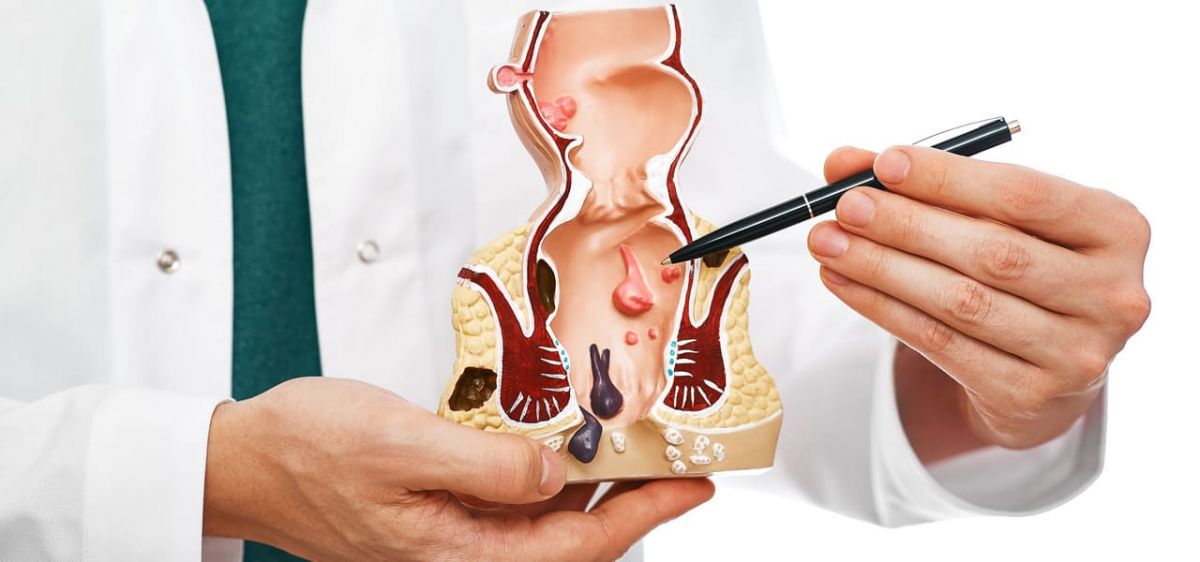
Hemorrhoids, while fairly common and usually treatable with a number of options that vary in severity, can be both highly annoying aswell as painful that the likes of using a cream can seem too little to go beyond when suffering from the condition. These swollen blood vessels around the anus can cause itching, discomfort, and bleeding; however, the right approach can reduce symptoms and help manage the condition. The treatment usually ranges from lifestyle changes and home remedies to medical surgery, depending on how serious the symptoms.1.Home and Lifestyle Remedies for SymptomsWe cantreat this condition first with lifestyle changes and home remedies. These steps are usually enough to relieve mild to moderate symptoms. Dietary fiber is one of the most effective management strategies for hemorrhoids. High-fiber diet dissolves the stool and help makes it drier to come out, you do not give so much strain in the bowel and that is one of the key reasons for the flare-ups of the hemorrhoids. It is best to incorporate more high-fiber foodssuch as fruits, vegetables, whole grains, and legumes into your daily meals. Consuming lots of water can also help ease bowel and soften stool and prevent constipation as well as help with regular digestion.2.Over-the-counter TreatmentsPeople can also useOTC options for external hemorrhoids. Topical creams, ointments and suppositories that include active ingredients like hydrocortisone or witch hazel can decrease itching and dial down inflammation.Instead, these widely available products can be used as directed to relieve discomfort. However, prolonged use of such medications can cause skin thinning and other side effects.3.Sitz BathsSitz baths — sitting in warm water for 10 to 15 minutes several times a day — can also help. Soaking a sore toe in warm water provides some relief of the affected area and reduces swelling while promoting healing. Self-administered and inexpensive, this treatment can be done at home and is particularly beneficial after a bowel movement.4.Medical TreatmentsWhere lifestyle changes and home remedies do not provideenough relief, medical treatment may be needed. More chronic or severe cases of external hemorrhoids may be treated in the office by a healthcare provider. One of the more standard procedures is rubber band ligation, in which a small rubber band is slipped over the base of the hemorrhoid to cut off blood supply so that it shrinks and falls off. This is usually reserved for internal hemorrhoids, but in some external cases, it may be appropriate, as well.5.SclerotherapySclerotherapyis also an effective treatment, which means injecting a chemical solution to make the hemorrhoid shrink. This is a more conservative approach, and it may apply to small hemorrhoids. For larger or troublesome external hemorrhoids, I may recommend a hemorrhoidectomy, surgery to remove the hemorrhoid.This option is more invasive than the others, however it is often the most effective option for more serious cases and gives long-term relief.6.Laser TherapyMore recently, minimally invasive procedures — laser therapy or infrared coagulation — have gained in popularity. These procedures use heat or light to shrink the hemorrhoid tissue and carry less pain and faster recovery than traditional surgery. But theyaren't for everyone, and a health care provider can help decide the best action to take given particular circumstances.7.PreventionPreventing externalhemorrhoidsinvolves frequentexercise, a high-fiber diet, and adequate hydration lowers the risk of first onset of hemorrhoids or flare-ups. It’s also important to avoid sitting for too long or straining while going to the bathroom.So, external hemorrhoids can be cured with a healthy lifestyle, home remedies, and medications. Mild cases can generally be managed through dietary changes or over-the-counter treatments; more advanced cases may need professional medical interventions. It’s crucial to identify the right treatment plan and to manage symptoms appropriately, so it’s important to see a health care provider. Yes, you can lead a life free of external hemorrhoids and this is how you can do it by gaining important knowledge and putting in the necessary care.
Featured Articles
-
 Home & Garden
Is a Softer Mattress Really Better? Debunking the Myth
-
 Home & Garden
Wall-mounted vs. TV Stand: Choosing the Best Setup for Your Television
-
 Health & Wellness
Important Actions to Take When Being Diagnosed Spinal Muscular Atrophy
-
 Travel
Unlocking Heaven: Your Guide to Finding the Perfect Kauai Vacation Package
-
 Automotive
Finding Best Tires with Affordable Prices
-
 Health & Wellness
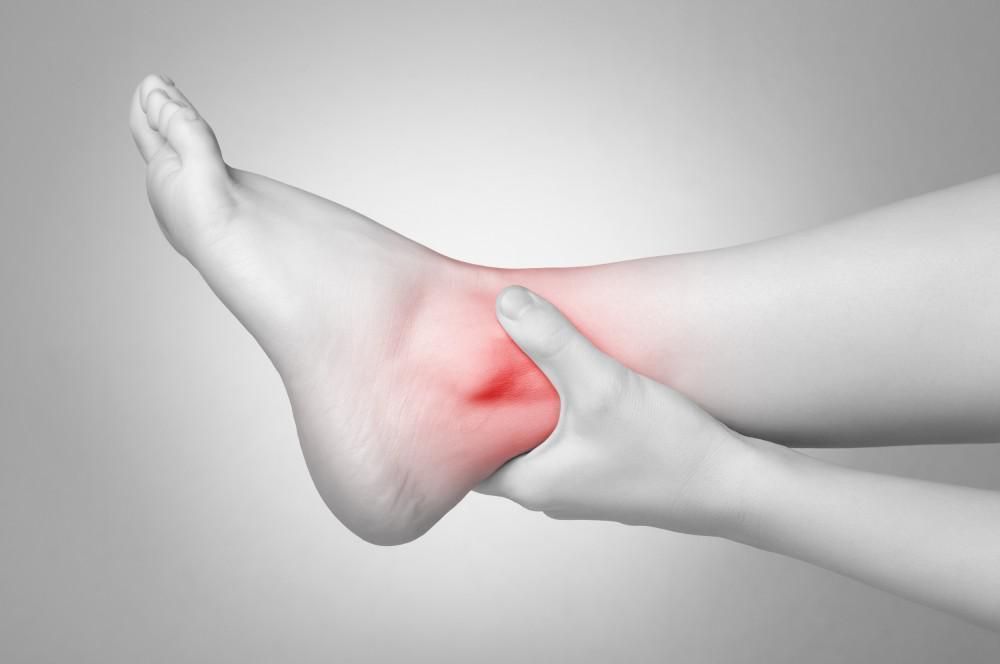
Measures to Relieve Ankle Swelling
-
 Travel
Benidorm All-Inclusive Holidays Paradise-like Beach Experiences
-
 Finance
Lower Premiums on Property Insurance: A Path to Financial Relief and Security