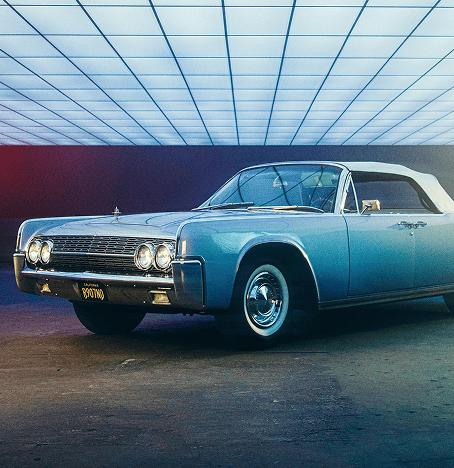



Things to Pay Attention to When Buying a Used Pickup Truck

Used pickup trucks are what most of us will be looking at, it provides uswith a good alternative, a tough, flexible and impressive value for money. But buying a used pickup truck is not an easy process, and traps are everywhere. Hereare key things to keep in mind when shopping for a used full-size pickup truck.
1.Set a Budget
Start your search with a budget in mind. If you buy a car, include the cost of purchase, taxes, registrationfees, insurance, potential repairs, etc. Oravoiding overspending by sticking to a budget tohelp you narrow down your options.
2.Check Vehicle History
When purchasing a used pickup truck, a vehicle historyreport is needed. Services such as Carfax or AutoCheck can offer information about accidents, title status, mileage and maintenance history. Stay away from trucks with severe accident histories, flood damage or salvage titles; they can create major repair problems later.
3.Inspect Mileage
Mileage is not the only measure of a truck’s condition, but it’s a keyone. Low miles typically mean less wear, but high mileage isn't necessarily a dealbreaker if the truck was well maintained. Considermileage balanced with overall condition.
4.Do a Walk Around of the Outside and Inside
Examine the truck’s exterior for any rust, dents, scratchesor evidence of repainting, which could suggest previous harm. Inspect the bed for damage, since this is a major part of a pickup truck. Step inside and check for worn seats, cracked dashboards or inoperative controls. A clean interior is often indicative of how well the previous owner took care of the car.
5.Test Drive the Truck
Definitely take a test driveto get a feel for how the truck drives.Pay attention to how to starts, accelerates and stops. Above all, you need to pay attention to the abnormal noise, such as rattling or grinding, which means the problems. What’s more, you also need to check the transmission, suspension and four-wheel drive areas.
6.Check the Engine andUnderbody
Open the hood and check the engine for leaks, corrosion orfraying belts. Check the oil and coolant levels and look for signsof bad maintenance. If you can, get under it to look for any rust, damage or worn out parts like shocks and suspension parts that a mechanic can check.
7.Confirm Towingand Payload Specs
If you have a plan to use the truck for hauling goods, one thing must do is to check its towing and payload abilities. Do remember to check whether this truck can burden the weight you want it to tow or not. If you really care the towing ability, make sure it includes a working hitch and wiring harness.
8.Review Maintenance Records
Request maintenance documentation to ensure the truck was serviced regularly.A well-maintained truck includes routine oil change, tire rotations, etc. Not keeping records might mean neglect and could lead to issues down the road.
9.Negotiate the Price
There is usually room to negotiate onused pickup trucks. If you do decide to negotiate, use your research on the truck’s market value, condition and any needed repairs to agree on a fair price. Beready to walk away if the seller won’t agree to your offer.
10.Get aPre-Purchase Inspection
Even if the truck looks great, it’s worth it to hire a mechanic for a pre-purchase inspection. An expert can spot problems that might behidden, and will not show up in an informal inspection or drive.
11.Check OwnershipCosts
Lastly, you should think about the overallownership costs of the car. Research its fuel economy, insurance rates, parts availability.Do remember that some models are cheaper but more expensive to maintain at the same time. Therefore, you need to consider these aspects.
By referring all these aspects, you can find a suitable used pickup truck of high quality to meet your standards. Make the time, do the research, be bold enough to ask questions. A great used pickup truck can provide lots of reliability and fun foryears to come.
 Disclaimer:
The content provided on our blog site traverses numerous categories, offering readers valuable and practical information. Readers can use the editorial team’s research and data to gain more insights into their topics of interest. However, they are requested not to treat the articles as conclusive. The website team cannot be held responsible for differences in data or inaccuracies found across other platforms. Please also note that the site might also miss out on various schemes and offers available that the readers may find more beneficial than the ones we cover.
Related Websites
-
 Finance
Types of Loans: A Comprehensive Guide
Loansmust be the mainstay of personal and business finance, helping individuals and organizations fulfill their aspirations. Loans allow access to money when needed — whether it be for a new home, funding a business, or handling surprise expenses — that can be paid back in installments. But not all loans are created equal.The future financial decision we will make is based on the type of loan we can take. This article covers the different types of loans, their purposes, and theirmain characteristics.1.Personal LoansIn a personal loan, borrowers receive a lump sum of funds to return in fixed monthly payments over a set period of time, often one to seven years.The interest rates for personal loans can vary greatly on the credit rating, income, and repayment record of the borrowing individual.Personal loans provide flexibility but tend to carry higher interest rates than secured loans.2.Mortgage LoansMortgage loanisa type of loan that is used specifically to purchase real estate (i.e. to buy a home or a property), as opposed to personal loans. These are secured loans, meaning that the property in question is used as collateral. Because mortgages can represent an, if not the, largest monthly financial obligation anyone assumes, borrowers should study their budget andlong-term plans carefully before signing on the dotted line.3.Auto LoansAuto loans are loans for the purchase of a new or used vehicle. Auto loans are also secured, just like mortgages, using the automobile as collateral. If the borrower does not make payments, the lender can take back the car. Auto loans usually have shorter repayment periods, anywherefrom three to seven years, and they come with competitive interest rates. The loan amount is usually based on the price of the vehicle, the borrower's creditworthiness and the down payment. Autoloans area common option for those who require reliable transportation but cannot afford to purchase a vehicle upfront.4.Student LoansHigher education is often expensive and it is the purpose of student loans to assist individuals finance their college costs for tuition, books and those bit more expensive living expenses. These loans may come from the government or private lenders. Federal student loans tend to offer lower interest rates and more flexible repayment options than private loans, such as income-driven repayment plans, graduated repayment plans, and possible loan forgiveness.Private student loans, by contrast, can carry a higher interest rate and far fewer protective provisions for borrowers. Student loans are unique because they usually do not need to be repaid until after the borrower has graduated or dropped out, making them an easy option for many students.5.Payday LoansThey are known as payday loan and are high interest loan designed to be paid back with a borrowers next paycheck. These loans are usually for small amounts and intended to cover emergency costs. Payday loans, as previously mentioned, have astronomically high interest rates and fees, meaning they can be a dangerous choice for those borrowing money. Many financial experts recommend payday loans only if there are no other options, because they can start a cycle of debt if not paid back immediately.Borrowings are financial weapons that can work for or against you but come at a cost.Each of this type serves a unique purpose and has its own associated terms, interest rates, and risk-sustainability. Before borrowing, it's important to evaluate your financial essential, shop around and have an understanding of the long-term ramifications of taking out a loan. That will help you to create informed decisions based on your needs and to have a secure financial future.From buying a home to funding an education to starting a business, the right loan can be an important steppingstone toward success. -
 Home & Garden
Designing the Perfect Kitchen: A Guide to Optimal Layout and Functionality
Many just as often describe the kitchen as the heart of the home, a place where meals are cooked, conversations exchanged, and memories arecreated. But designing a gorgeous, hardworking kitchen can be a challenge. A good layout will make cooking easier and safer and thus more fun. Whether we're remodeling a kitchen in a home that already exists or designing one for a new dwelling from scratch, there are many elements that must be taken into account to make sure the room works for us. -
 Home & Garden
Key Considerations for a Seamless Kitchen Appliance Upgrade
This major investment in the functionality and value of your home. To replace aging appliances can be seen as giving a total consideration for your. The idea is more than just following the salesman's talk and picking out a shiny new model on display in the fix appliance shop. Making the right choices in upgrading your old kitchen appliances involves careful forethought of factors such as practical needs versus attractive consumer desires and the natural sequence of events. To rush this decision can land you back in an endless series of more costly installation errors, worse performance, and three-axes dissatisfaction. A number of key considerations need to be taken into account before you purchase new appliances, guaranteeing that they will improve your quality of life for many years to come.
Featured Articles
-
 Travel
The Last Great Expedition: Sailing into the Heart of Antarctica
-
 Travel
Must-see Attractions in Italy
-
 Home & Garden
A Smart Shopper's Guide to Clearance Refrigerator Sales
-
 Automotive
Why We Turn to Firestone for Auto Care
-
 Health & Wellness
Hemophilia: The Royal Disease and Modern Management
-
 Health & Wellness
Unpleasant Effects of Chronic Hives
-
 Home & Garden
Tips to Remove Urine Stains from Your Mattress
-
 Home & Garden
Ultimate Guide to Choosing a Washer and Dryer